

8mm table top glass price
How to Change the Main Water Valve A Step-by-Step Guide Changing the main water valve in your home can seem like a daunting task, but with the right tools and a little guidance, it can be accomplished with ease. This essential component controls the flow of water into your home, and knowing how to replace it can save you from potential flooding or water damage. Here is a comprehensive step-by-step guide on how to change your main water valve safely and efficiently. Understanding the Main Water Valve The main water valve is typically located near where the water line enters your home, often found in the basement, crawlspace, or near the foundation. The valve allows you to shut off the water supply for repairs or emergencies, making it crucial for managing your household's plumbing system. Tools and Materials You'll Need Before you begin, gather the necessary tools and materials - Adjustable wrench or pipe wrench - Screwdriver - Hacksaw (if needed) - Replacement valve (matching your existing size and type) - Plumber’s tape - Towels or sponge (for any spills) - Bucket (to catch any residual water) Step 1 Shut Off the Water Supply This is the most important step. Locate your main water shut-off valve. If you're unsure where it is, turn on a faucet to identify which direction is the supply; then use that knowledge to find the valve. Once you locate it, turn the valve clockwise until it stops. This action will cut off the water flow to your home. Step 2 Drain the Lines Next, open faucets throughout your home to relieve pressure and drain any residual water in the pipes. Start with the highest faucet to allow gravity to help, then work your way down to the lowest . This step will help minimize any mess when you remove the old valve. Step 3 Remove the Old Valve how to change main water valve Using your adjustable wrench, loosen the nuts attaching the old valve to the water supply pipes. Depending on the type of connections (threaded, compression, etc.), you may need to adjust your approach. If the old valve is soldered, you may need a hacksaw to cut it out. Be cautious if you are cutting through metal; the area can become sharp. Step 4 Prepare for Installation Once the old valve is removed, clean the threads of the pipes to ensure there is no debris or old plumber’s tape left. This will help create a proper seal when the new valve is installed. Inspect the condition of the connecting pipes; if they show signs of corrosion or damage, you may need to address those issues before proceeding. Step 5 Install the New Valve Take your replacement valve and wrap the threads with plumber’s tape. This tape helps to create a watertight seal and makes it easier to screw on the new valve. Hand tighten the valve onto the pipes first, then use your wrench to secure it further, but avoid overtightening, which can damage the threads. Step 6 Turn the Water Supply Back On Once the new valve is securely in place, you can turn the main supply back on. Turn the valve counter-clockwise slowly to avoid sudden pressure changes. Check for leaks around the new valve as water begins to flow. Step 7 Test Everything After you have turned the water back on, inspect the installation for any signs of leaks. Open a few faucets in your home to allow water to flow through the plumbing system. This step ensures that everything is functioning correctly and that your new valve is operating as it should. Conclusion Replacing the main water valve in your home may seem challenging, but by following these steps, you can do it on your own, saving money on professional plumber costs. It’s always a good idea to familiarize yourself with your home’s plumbing system, and knowing how to replace your main water valve can empower you to handle future plumbing issues with confidence. If you encounter any complications or are uncertain about any step, don’t hesitate to consult a professional plumber. Your home’s water system deserves the best care and attention!
about
8mm table top glass price
Understanding Leveling in Welding Tables Welding is a critical process in manufacturing and construction, combining various metal components to create a durable, functional structure. One fundamental aspect of successful welding is the use of a leveling welding table. This tool is essential for ensuring precision and accuracy during the welding process. In this article, we’ll explore the importance of leveling in welding tables, the benefits they provide, and the best practices for using them effectively. Importance of Leveling A welding table must be perfectly leveled to facilitate an accurate and efficient welding process. When the table is not level, the workpiece can shift or become distorted, leading to misalignments and poor weld quality. This misalignment can result in significant rework, wasted material, and increased labor costs, ultimately affecting project timelines and budgets. Therefore, a level welding table serves as the foundation for quality welding work. Benefits of a Leveling Welding Table 1. Improved Accuracy A level surface allows for better measurement and alignment of workpieces. When components are positioned correctly, the welder can focus on the quality of the weld rather than correcting positional errors. 2. Enhanced Safety An unlevel table can cause workpieces to slide or fall, increasing the risk of accidents during the welding process. A stable, level table minimizes this risk, ensuring a safer work environment. 3. Increased Efficiency Leveling a welding table at the start of a project can save considerable time and effort. Welders can work faster and with greater confidence when they are assured that their workspace is stable and reliable. 4. Consistency in Quality Regularly using a level welding table leads to consistent welding outcomes. This uniformity is crucial for industries where precision and repeatability are vital, such as automotive and aerospace manufacturing. leveling welding table Best Practices for Leveling a Welding Table To achieve optimal results with a leveling welding table, certain best practices should be observed 1. Regular Calibration Ensure the table remains level by checking its calibration periodically. Over time, vibrations and heavy use can cause the table to lose its levelness. 2. Use a Leveling Instrument Employing a high-quality level, preferably a digital one, can provide accurate readings and help in making necessary adjustments. 3. Adjustable Feet Many professional welding tables come with adjustable feet that can be modified to achieve levelness. Make sure these are regularly checked and adjusted as needed. 4. Surface Maintenance Keep the table surface clean and free from debris. A cluttered surface can obstruct the leveling process and affect the accuracy of measurements and welds. 5. Training Ensure that all operators are trained in how to check and adjust the leveling of the table as part of their standard operating procedures. Conclusion A leveling welding table is a vital tool that directly influences the quality and efficiency of welding operations. By investing time and resources in maintaining a level workspace, welders can enhance their productivity, improve safety, and achieve higher-quality welds consistently. As the welding industry continues to evolve, ensuring that fundamental tools such as leveling tables are well-maintained will remain crucial for successful project outcomes.
-

High quality industrial productsagement

High quality industrial products
View Details -

Meet the diverse needs of customers

Meet the diverse needs of customers
View Details -

Strict quality control

Strict quality control
View Details -

Top raw materials

Top raw materials
View Details -

Trusted supplier

Trusted supplier
View Details
Our application
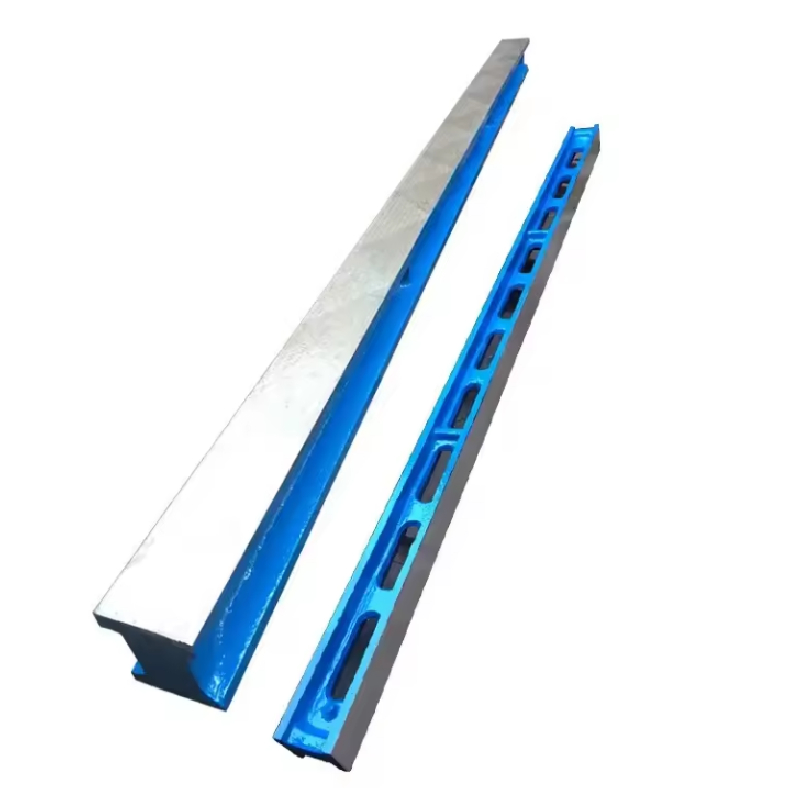


news and information
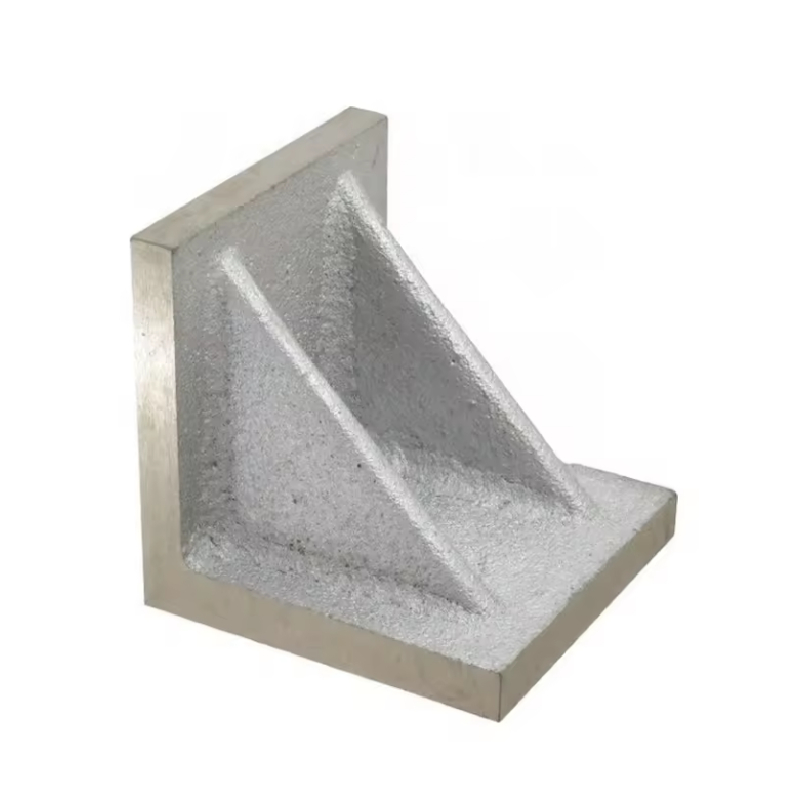
welding table price
Understanding Welding Table Prices A Comprehensive Guide Welding is a vital process in various indus
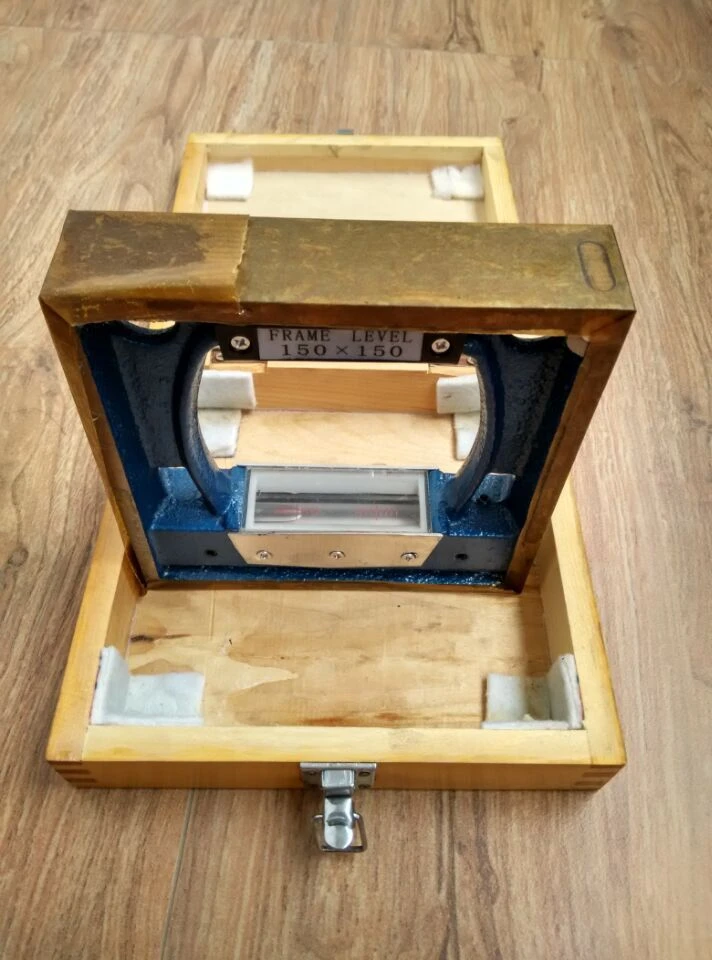
Y Type Strainer Filter for Efficient Fluid Filtration Solutions
Understanding Y-Type Strainer Filters A Comprehensive Guide In various industrial applications, main

y type strainer with drain valve
Understanding Y-Type Strainers with Drain Valves The Essential Component for Fluid Management In var
 English